How to Tell Ductwork Needs Maintenance

When Do the Air Ducts Need Professional Attention?

Ductwork is a critical component of any HVAC system, responsible for distributing conditioned air throughout a home. As the unsung hero behind heating and cooling comfort, it requires equally dedicated attention and care. Understanding when air ducts need professional attention can prevent costly repairs and ensure a healthy indoor environment. This comprehensive guide explores the common signs of ductwork issues, the importance of routine maintenance, and how to maximize the lifespan of the duct system.

Signs Ductwork Repair Is Needed

dust Identifying early signs that air ducts may require repair is crucial for maintaining an efficient HVAC system and a comfortable living space.

  • Excessive Dust and Debris: If the household quickly accumulates dust despite regular cleaning, it could be a sign of leaks or clogs in the ductwork. This situation can compromise indoor air quality and requires immediate ductwork repair.
  • Uneven Cooling or Heating: Noticeable temperature variations between rooms may indicate blockages or leaks within the air duct system. Such inefficiencies necessitate professional air duct repair to balance system performance.
  • Higher Utility Bills: An unexplained rise in energy bills could stem from the HVAC system straining to heat or cool the house due to inefficient or damaged ductwork that needs urgent attention.
  • Unusual Noises From Ducts: Sounds like rattling or whistling can imply loose connections or hidden leaks that warrant professional diagnosis and repair to prevent further issues.

Addressing these signs promptly with expert attention can optimize ductwork’s performance and enhance the home’s comfort, while reducing unnecessary expenses.

The Importance of Air Duct Maintenance and Cleaning

air duct Regular maintenance and cleaning of ductwork are vital to preserving the health of the indoor environment and ensuring optimal HVAC operation.

  • Improving Indoor Air Quality: Over time, air ducts accumulate dust, debris, and allergens, which can circulate throughout the house, affecting the health of residents. Routine air duct cleaning helps prevent this distribution of pollutants.
  • Enhancing System Efficiency: Maintaining clean and unobstructed ductwork allows for efficient air flow, reducing the strain on the HVAC system and lowering energy consumption and utility bills.
  • Sealing Air Leaks: Ductwork maintenance performed by professionals can identify and seal leaks, thus improving the system’s efficiency and preventing energy loss.

Making regular air duct maintenance a priority offers long-term energy savings, improved air quality, and reduced repair needs, ultimately enhancing home comfort and health.

How Long Does Ductwork Last?

Typically, ductwork can last between 10 and 25 years. Variations in this range depend on aspects like the quality of duct materials, the precision of installation, and the frequency of maintenance. Awareness of these factors helps homeowners plan proactive maintenance routines and anticipate future ductwork replacement needs.

Ensuring ducts are professionally installed and regularly maintained significantly extends their lifespan, delaying the need for air duct replacement. Routine inspections and prompt repairs when needed further bolster durability and performance.

Ultimately, investing in regular air duct maintenance and timely repair not only ensures continued HVAC efficiency but also supports a healthier living environment. Secure the expertise of experienced technicians to guarantee the longevity and efficiency of the duct systems, safeguarding investment and comfort for years to come.

Call Air Zone Mechanical

As a women-owned and operated business, Air Zone Mechanical has been the go-to expert in air conditioning and indoor air quality in South Florida. They offer same-day appointments and 24-hour emergency service, utilizing the latest technologies to complete the job efficiently. Call them today for ductwork repair and installation services in Miami Lakes, FL.

Distribution Links +

Signs You Need to Replace Your Air Conditioner

How to Know When AC Replacement May Be Needed

Air conditioners eventually reach a point where performance, efficiency, and reliability begin to decline. Recognizing the common signs of failure can help you avoid ongoing costs and maintain comfort throughout the year. Below are strong indicators that an AC replacement may be the better long-term solution for your home.

Old Age

Most air conditioning systems function efficiently for about 10 to 20 years. When a system reaches or passes the 10-year mark and begins to show issues, replacement often becomes the most practical option. Wear and tear over time reduces performance and increases the risk of breakdowns.

Outdated systems tend to run less efficiently, even with regular maintenance. Declining output and frequent service calls often follow. With this in mind, it’s better to install a modern unit for improved energy efficiency and indoor comfort.

Replacing your older system ensures reliable and consistent performance. Age-related decline may lead to rising repair costs and uneven cooling. Newer air conditioners offer improved temperature control and lower the likelihood of system failure. 

Frequent Repairs

hvac Older air conditioners requiring constant repairs can quickly become more expensive than installing a new system. High repair frequency usually indicates widespread wear and failing components. Each repair adds up, making replacement the smarter investment.

Major component failures, such as compressors or coils, incur significant repair costs. Investing in a new system for your home eliminates the risk of future costly breakdowns. Moreover, new installations often include warranties that cover potential issues.

Constant repairs also create uncertainty during peak cooling seasons. Unreliable systems increase the risk of discomfort and emergency service calls. Replacement restores your peace of mind and long-term system reliability.

High Energy Bills

bills If you have unusually high energy bills, it often points to an inefficient or failing air conditioner. Lack of regular maintenance or unresolved system issues can cause units to use more power. When these problems persist, a system upgrade can improve efficiency and lower operating costs.

Even with proper care, older systems struggle to maintain efficiency. Aging components require more energy to produce the same cooling output. Upgrading to a newer model reduces energy use and monthly utility expenses.

If no faults are present and maintenance is up to date, high costs usually indicate that you have an outdated unit. Modern air conditioners utilize advanced technology for improved energy efficiency. Installing a new unit ensures dependable cooling with reduced energy consumption.

Call Air Zone Mechanical

Air Zone Mechanical is a women-owned and operated air conditioning and indoor air quality company serving Miami Lakes, FL, and beyond. They offer 24/7 service, bilingual technicians, and comprehensive service. Call them for AC installation services in Miami Lakes, FL.

Distribution Links +

Easy Tips to Help You Save on Cooling Costs

Save Money While Staying Comfortable

Energy bills often rise during peak cooling months, but strategic changes can improve efficiency and reduce expenses. Proper air conditioning system care and smart usage habits help maintain indoor comfort without using excessive electricity. Simple actions can provide you with long-term financial benefits while supporting consistent cooling performance.

AC Maintenance and Replacing Air Filters

Clogged air filters reduce airflow and force your cooling system to work harder, increasing energy consumption. Clean filters improve air circulation and system efficiency, which leads to lower utility bills. Timely filter replacements also enhance indoor air quality and reduce wear on AC components.

Annual air conditioner maintenance allows AC systems to operate at optimal performance throughout the season. Technicians perform tasks such as inspecting refrigerant levels, tightening electrical connections, and cleaning condenser coils. Preventive care helps extend system life and improves energy efficiency.

Well-maintained air conditioning systems require less energy to cool indoor spaces effectively. Scheduled tune-ups can prevent breakdowns and help identify issues before they become expensive problems. Consistent maintenance contributes to both cost savings and improved comfort.

Utilize Ceiling Fans

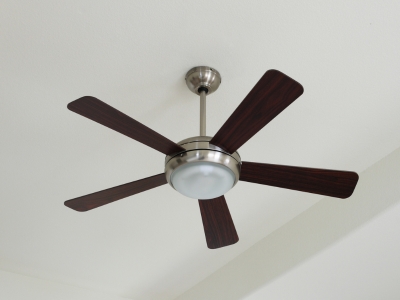
fan Ceiling fans assist in circulating cooled air throughout rooms, which helps maintain uniform indoor temperatures. Increased airflow allows for a higher thermostat setting without reducing comfort levels. Using fans reduces demand on air conditioning systems and supports energy savings.

Using fans while your air conditioning is on improves cooling efficiency and lowers total energy consumption. Less strain on AC systems results in extended equipment life and fewer repairs. Ceiling fans provide reliable performance while consuming minimal electricity.

Positioning fans strategically enhances air movement in key living areas. Energy-efficient models with adjustable speed settings offer greater control over comfort. Using ceiling fans regularly contributes to reduced cooling costs during warmer seasons.

Install a Smart Thermostat

thermostatSmart thermostats can automatically adjust temperature settings based on your home’s occupancy and daily schedules. Reduced runtime during unoccupied hours lowers energy usage without sacrificing comfort. Many models provide usage reports and remote access for better energy management.

Precise temperature control helps maintain consistent indoor conditions and prevents overcooling. Integration with AC systems ensures accurate adjustments that improve efficiency. Built-in sensors and automation features allow smart thermostats to respond quickly to changing needs.

Lower monthly bills often result from optimized operation and reduced energy waste. Long-term savings become more noticeable as smart systems learn patterns and adjust accordingly. Installing a smart thermostat offers both convenience and improved energy performance.

About Air Zone Mechanical

Air Zone Mechanical is a family-owned and operated AC and indoor air quality company serving Miami Lakes, FL, and beyond. We offer customer-centric service, bilingual technicians, and same-day services. Call us for top-notch air conditioning services in Miami Lakes, FL.

Distribution Links +

Essential Insights on Cleaning Air Duct

Air Duct Cleaning and Its Importance Explained

Dust, allergens, and contaminants can accumulate silently within duct systems, affecting indoor air quality and energy performance. Air duct cleaning helps eliminate built-up debris and promotes a healthier home environment. Cleaner air ducts contribute to improved comfort and reduced exposure to airborne particles.

Proper cleaning methods enhance airflow and reduce the strain on HVAC components. A well-maintained system operates more efficiently and can help lower energy costs. Clean ducts also create a more pleasant indoor atmosphere, free from musty odors and lingering particles.

Advantages of Air Duct Cleaning

Removing dust, mold spores, and allergens from ducts leads to better air circulation and cleaner indoor environments. HVAC systems with clean ductwork maintain consistent airflow, resulting in less effort required to reach set temperatures. According to the U.S. Department of Energy, improved airflow can reduce energy use by up to 20 percent.

Duct cleaning also supports healthier breathing conditions by removing irritants such as pet dander, pollen, and dust mites. Allergy and asthma symptoms often decrease following thorough duct maintenance. In homes with pets or recent construction, more frequent cleanings help manage indoor air contaminants.

Signs That Duct Cleaning Is Needed

dust A musty smell or visible dust floating near vents often signals a buildup inside the ducts. Dust accumulation around registers or return vents is another common indicator. Black debris at vent openings suggests contamination deeper within the system.

Increased sneezing, coughing, or breathing difficulty may point to circulating pollutants within the air supply. Climbing energy bills sometimes result from blocked airflow that forces the system to work harder. Mold growth, pest droppings, or leftover construction debris all require immediate professional inspection and cleaning.

Tips for Maintaining Cleaner Air Ducts

filter Clean ductwork stays in better condition with consistent maintenance habits throughout the home. Dusting and vacuuming frequently can reduce the amount of debris pulled into the system. Maintaining indoor humidity between 30 and 50 percent also helps prevent mold from forming inside duct lines.

Air filters play a crucial role in trapping airborne particles before they reach the duct system. Filters should be checked monthly and replaced every 30 to 90 days, depending on the type and home conditions. Thicker filters offer extended protection and should be replaced every 3 to 6 months.

Regular HVAC tune-ups help identify duct issues early. Annual inspections often include coil cleaning and sealing duct connections, which support optimal air quality. This preventive care reduces the frequency of full duct cleanings and prolongs system life.

About Air Zone Mechanical 

For over 25 years, Air Zone Mechanical has been the go-to company for air conditioning and indoor air quality services in Miami Lakes, FL. They offer 24/7 service, bilingual technicians, and comprehensive service. Call them for air duct cleaning services in South Florida, including Miami, Sunny Isles, and Coconut Grove.

Distribution Links +

Signs AC Repair Is Needed and Things That Can Be Tried Before Calling for Repair

Identifying AC Problems and How Homeowners May Be Able to Solve Them

A properly functioning air conditioning system is crucial for maintaining a comfortable environment. Understanding how to spot the warning signs of trouble, tackle minor problems, and recognize when it’s time to bring in a professional for air conditioning repair can save money, prevent discomfort, and extend the life of the system. Here’s what homeowners need to know about AC repair and how to keep their cooling system running strong.

Signs AC Repair Is Needed

hot at home Homeowners should be proactive in looking for signs that indicate air conditioner repair may be necessary. Addressing these warning signals early can help avoid more extensive air conditioning repair or replacement down the road. The most common indicators include:

Unusual Noises Coming From the AC Unit: If grinding, banging, rattling, or squealing noises are coming from the system, these could indicate mechanical problems, loose parts, or debris inside the unit. Persistent noises suggest that AC repair is needed as soon as possible to prevent further damage.

Insufficient Cooling or Warm Air From Vents: When the air conditioner runs but the home stays warm, or when the air coming from vents isn’t cool, there may be a problem with the compressor, refrigerant levels, or airflow. This is a clear sign that air conditioner repair is required.

Poor Airflow Throughout the Home: Weak airflow may point to a clogged air filter, ductwork issues, or a failing blower. Poor airflow affects comfort and efficiency, leading to uneven cooling and higher energy bills.

Higher Utility Bills: An unexplained increase in energy bills often signals a struggle within the AC system, usually caused by dirty coils, a dirty air filter, low refrigerant, or a malfunctioning component. This is a common symptom requiring air conditioning repair.

Frequent Cycling: Short cycling, where the system turns on and off too quickly, can stress the AC and is often caused by a refrigerant leak, dirty coils, an incorrect thermostat setting, or electrical issues.

Unusual Odors: Musty, burning, or otherwise strange smells can be signs of mold, burnt wiring, or contaminated coils—all problems that should be addressed by professionals as soon as possible.

Spotting any of these issues early can help homeowners arrange for timely AC repair, keeping the cooling system running efficiently.

Common AC Problems

filter When the above warning signs appear, they are often connected to several widespread air conditioning issues. Here are some of the most common causes that homeowners should be aware of:

Dirty Air Filter: A dirty air filter restricts airflow through the system, decreasing cooling capacity and causing the unit to work harder. This can result in uneven cooling, poor air quality, and higher energy bills. Regular air filter replacement is vital for peak AC performance.

Dirty Coils: Over time, both evaporator and condenser coils can accumulate dust and debris. Dirty coils reduce the system’s efficiency, resulting in longer cooling cycles, poor cooling output, and increased energy consumption. Regular cleaning can prevent this common air conditioning repair issue.

Refrigerant Leak: Low refrigerant levels often point to a refrigerant leak, leading to weak cooling, warm air from vents, and sometimes even ice on the coils. Handling refrigerant is dangerous and should only be addressed by an air conditioner repair technician.

Inaccurate or Malfunctioning Thermostat: A faulty thermostat can cause temperature inconsistencies, frequent cycling, or keep the AC from turning on at all. Checking the batteries or settings is a simple first step, but continued problems often require air conditioning repair.

Blocked or Closed Air Vents: Blocked air vents due to furniture or dust buildup can restrict airflow, causing areas of the house to feel warmer or increasing strain on the system, potentially resulting in higher utility bills and system wear.

Electrical and Sensor Failures: Worn-out sensors or faulty electrical connections can prevent the system from starting or cause erratic operation, requiring professional AC repair.

Understanding these issues enables homeowners to stay ahead of potential problems and call for air conditioning repair before a small issue becomes a big, expensive one.

Things Homeowners Can Try Before Calling for Repair

Not every AC problem requires immediate professional air conditioner repair. Homeowners can often perform simple troubleshooting steps that restore cooling and avoid a hassle. Here’s what to check:

Replace the Dirty Air Filter: Dirty air filters are the most common cause of poor AC performance. Homeowners should inspect and perform air filter replacement every 1–3 months, especially during heavy cooling periods, to improve airflow and system efficiency.

Check Thermostat Settings and Batteries: Ensuring the thermostat is set to “Cool” and the temperature is set lower than the current room temperature can solve many apparent AC problems. Replace thermostat batteries if the screen is blank or nonresponsive.

Inspect the Circuit Breaker: If the AC isn’t turning on, the dedicated breaker in the electrical panel may have tripped. Homeowners should reset it if necessary, but repeated tripping signals the need for air conditioning repair.

Ensure Air Vents Are Open and Unblocked: Make sure that all supply and return vents are free of obstructions like rugs or furniture, and that registers are not closed off.

Taking these steps can resolve many minor AC issues. However, if symptoms such as unusual noises, refrigerant leaks, poor cooling, frequent cycling, or higher energy bills continue, professional air conditioner repair should be the next step.

About Air Zone Mechanical

Air Zone Mechanical has been a family-owned air conditioning company in Miami and beyond for more than 25 years. They offer straightforward pricing and same-day service. Call today for expert air conditioner repair in Miami Lakes, FL.

Why You Should Consider a Dehumidifier for Summer

Advantages of Installing a Whole Home Dehumidifier and Signs It’s Needed

As the summer progresses, homeowners often experience an increase in humidity levels, both indoors and outdoors. Addressing high humidity is essential for maintaining a comfortable and healthy living environment. A whole-home dehumidifier installation is a proactive step to manage moisture levels effectively, eliminate discomfort, and protect against potential health risks associated with excessive humidity.

What Does a Dehumidifier Do?

A dehumidifier is an essential appliance that controls and maintains optimal humidity levels in your home, particularly beneficial during the humid summer months.

How It Works: A whole-home dehumidifier is integrated into a home’s AC system, functioning by pulling moist air through cold coils. As the air condenses into water droplets, it is collected and drained away, while the dehumidified air is released back into the home. This process continuously circulates air, maintaining a stable humidity level throughout the house.

Summer Necessity: Throughout the summer, increased humidity can lead to discomfort, encouraging the growth of mold and mildew. A dehumidifier counteracts these issues by eliminating excess moisture, ensuring that your indoor environment remains comfortable and safe. During this season, when doors and windows are more frequently opened, a dehumidifier helps maintain optimal humidity indoors.

In essence, a whole-house dehumidifier is a crucial tool for managing summer humidity, leading to enhanced comfort and protection for your home.

Signs the House Needs a Dehumidifier

mold Recognizing signs of high indoor humidity can help homeowners decide if a dehumidifier installation is needed to restore comfort and efficiency.

Clammy or Sticky Feeling: If your living spaces feel continuously moist or sticky, it indicates high humidity levels. This discomfort demonstrates that your home’s air is saturated with moisture, necessitating a dehumidifier installation.

Damp Surfaces: Persistent dampness on surfaces, walls, or furniture means excessive moisture in the air. This can lead to wear and damage over time if not addressed.

Condensation on Windows: Frequent condensation on windows or glass surfaces serves as a visible sign of high humidity. When warm, moist air contacts a cooler surface, it results in condensation, an indicator that humidity control is needed.

Mold Growth: The presence of mold in corners, basements, or poorly ventilated areas is a strong indication of high humidity. Mold thrives in damp conditions and can pose health risks.

Musty Smell: A persistent moldy or musty odor signifies mold growth and is often caused by high levels of humidity. This odor not only signals poorer air quality but also affects the overall ambiance of the home.

Identifying these signs early can alleviate potential risks and guide homeowners toward considering a whole-home dehumidifier.

Dehumidifier Benefits

air quality The installation of a dehumidifier provides a vast array of benefits, significantly enhancing the quality of life within a home.

Improving Comfort: By maintaining consistent humidity levels, dehumidifiers create a more pleasant living environment, eliminating the clammy sensations associated with high humidity. This improved comfort can make a significant difference during the stifling summer months.

Preventing Mold Growth: Dehumidifiers are critical in preventing mold and mildew, which require moist conditions to breed. Reducing humidity with a whole house dehumidifier not only curbs mold development but also the structural and health risks associated with it.

Eliminating Musty Odors: By removing excess moisture, dehumidifiers can effectively eradicate musty odors that result from mold and damp conditions, leaving homes smelling fresh and clean.

Improving Health: Excessive humidity promotes the presence of mold, dust mites, and other allergens. A dehumidifier mitigates these risks, fostering a healthier living environment by reducing allergens and enhancing overall air quality.

Overall, investing in a whole-home dehumidifier is a beneficial step towards ensuring a cooler, drier, and healthier home environment in the summer and beyond.

About Air Zone Mechanical

Air Zone Mechanical has provided air conditioning and indoor air quality services in Miami and beyond for over 25 years. They offer same-day appointments and 24-hour emergency service, implementing the latest technologies. Call them for dehumidifier services in Miami Lakes, FL.

Distribution Links +

Everything You Need to Know About AC Replacement

Important AC Replacement Basics to Know

Air conditioner replacement offers protection against costly, unpredictable breakdowns while delivering consistent, cool comfort. For those facing sweltering days and mounting repair expenses, this guide provides expert insight on upgrading an HVAC system. Find practical strategies for improving energy efficiency and ensuring a smooth transition to a more reliable cooling unit. Experience greater peace of mind with step-by-step insights designed to simplify the entire replacement process.

Signs to Replace an Air Conditioner

A cooling system that struggles to maintain indoor comfort may be nearing the end of its service life. Recognizing early warning signs can prevent unexpected failures during extreme heat. Most AC units operate effectively for 10–15 years before experiencing a decline that affects both performance and operational cost.

System age often serves as the most telling indicator. Units older than 10 years typically operate 20–40% less efficiently than modern models. This loss becomes evident through reduced cooling output and gradually increasing energy bills, even with consistent usage patterns. As the system ages, it works harder but cools less effectively.

Frequent repairs also signal diminishing reliability. Multiple service calls within two years often indicate deeper system issues. The 5,000 rule can assist in determining the best course of action: multiply the repair cost by the AC unit’s age—if the result exceeds $5,000, replacement is generally the more economical path. Additional signs include unusual noises, inconsistent room temperatures, and persistent humidity despite regular operation—all pointing to a system no longer meeting household cooling demands efficiently. Early recognition of these issues helps avoid a complete system failure during peak summer temperatures.

Advantages of Replacing an Old AC Unit

save money Installing a new air conditioning unit yields immediate benefits beyond simple temperature control. New systems offer significantly improved energy efficiency—often 20–30% higher than models manufactured a decade earlier. Advanced technologies now maximize cooling capacity while minimizing electricity consumption, leading to substantial savings on monthly utility bills.

Financial advantages extend beyond energy efficiency. Reduced cooling expenses and lower repair frequency result in a faster return on investment. According to Energy Star, households typically save around 20% on cooling costs after switching to a high-efficiency model. Modern units also come with manufacturer warranties, reducing the burden of unexpected repair costs.

Improved indoor comfort is another notable benefit. New systems regulate temperature more consistently and offer enhanced humidity control, resulting in a more comfortable living environment. Quieter operation is a further advantage, along with improved indoor air quality due to advanced filtration technology that captures more allergens and pollutants. Proper sizing and installation by a certified professional ensures that cooling performance matches the home’s layout and needs—something older or improperly sized systems often fail to achieve.

Choosing a Type of AC System

acReplacing an air conditioner often involves choosing between a ductless mini-split system and a central AC unit. This decision significantly influences energy use, comfort, and home value. Each system presents unique benefits depending on a home’s infrastructure and cooling requirements.

Ductless mini-split systems offer excellent flexibility, especially in homes without ductwork. These systems support zone-based cooling, allowing different temperatures for individual rooms. When used strategically, mini-splits can cut cooling costs by up to 30%, as noted by Energy Star. Installation is typically less invasive, avoiding the need for ductwork installation or modifications.

Central air conditioning remains the standard for whole-home climate control. These systems distribute air evenly throughout the house using a network of ducts, making them ideal for larger homes that require consistent cooling across multiple rooms. However, effective operation depends on well-maintained ductwork, which can influence both efficiency and performance.

Understanding cost and efficiency differences between central air systems and mini-splits can lead to long-term savings. Central AC systems generally carry a lower upfront installation cost—typically between $3,000 and $7,000—especially in homes where ductwork is already present. However, these systems may consume more electricity over time, increasing monthly energy costs.

Mini-split systems, while carrying a higher initial price tag ($4,000–$10,000 depending on configuration), offer superior energy efficiency. These systems cool only the spaces being used, avoiding wasted energy in unoccupied areas. They also eliminate duct-related energy loss, which can exceed 30% in traditional systems.

Long-term goals play a key role in system selection. For long-term residents, the energy savings from mini-splits often outweigh the higher installation cost. Additionally, mini-splits are ideal for renovations, finished basements, or areas where ductwork installation would be impractical. Their compact design and minimal construction requirements make them an efficient solution for expanding or updating a home’s cooling capabilities.

Call Air Zone Mechanical

Air Zone Mechanical is a family-owned and operated company specializing in HVAC and indoor air quality with over 25 years of experience in the South Florida area. They offer bilingual technicians, straightforward pricing, and 24/7 service. Call them for air conditioning installations and replacements in Miami Lakes, FL.

Transform Your Health with Improved Indoor Air Quality

Ways to Improve Air Quality in a Home and Breathe Easier This Spring

Spring cleaning takes on new meaning when the focus shifts to improving indoor air quality. Poor ventilation and airborne contaminants can significantly impact respiratory health, making it essential to implement air purification strategies as temperatures rise and pollen counts soar.

Improving health begins with improving indoor air quality to breathe cleaner, fresher air every day. Many households suffer from allergies and fatigue caused by poor air quality, leaving individuals feeling drained and frustrated. This post outlines practical strategies for boosting respiratory wellness and reducing indoor pollutants. Expert tips promise a safe haven that enhances mood and energy. Simple changes can transform a home into a vibrant, healthy retreat.

Maintenance and Air Filter Replacement

filter Replacing a home’s air filters when they become dirty provides multiple benefits for indoor air quality and overall health. Clean filters trap airborne particles more effectively, preventing dust, pollen, pet dander, and other allergens from circulating throughout the living space. This simple maintenance task can dramatically reduce allergy symptoms and respiratory issues. Filters get dirty faster than one might think.

Dirty air filters force an HVAC system to work harder, increasing energy consumption by up to 15%, according to the U.S. Department of Energy. When airflow is restricted, the system struggles to maintain comfortable temperatures while consuming more electricity. Additionally, the strain on the system can lead to premature wear and costly repairs. Waiting until problems arise can be avoided.

Beyond energy efficiency, timely filter replacement provides significant health advantages. Many homeowners don’t realize that manufacturer recommendations represent minimum replacement intervals rather than optimal ones. For households with allergies, asthma, or other respiratory conditions, changing filters more frequently—sometimes monthly during high-use seasons—can substantially improve symptoms. The difference becomes noticeable within days. Studies from the American Lung Association suggest that enhanced filtration can reduce indoor air pollutants by as much as 30-40%, creating a healthier home environment.

Setting calendar reminders to check filters regularly, especially during seasons when the system runs constantly, is a helpful strategy. This preventative measure benefits both respiratory health and finances.

Regular maintenance of an air conditioning system directly improves indoor air quality while delivering significant efficiency benefits. When HVAC systems receive proper annual service, they filter contaminants more effectively, reducing allergens and pollutants that circulate throughout the home. Professional technicians clean critical components that would otherwise harbor dust, mold, and bacteria. This simple preventative step makes breathing easier.

Scheduling yearly HVAC maintenance can reduce energy consumption by up to 15%, according to the Department of Energy. Clean, well-maintained air conditioners operate with less strain, extending their operational lifespan while lowering monthly utility bills. Furthermore, technicians can identify potential issues before they become costly emergencies. The financial benefits accumulate silently over time.

Properly maintained AC systems provide more consistent temperature control and humidity regulation. During annual service visits, professionals check refrigerant levels, clean or replace air filters, and ensure proper airflow through the system. These adjustments prevent moisture buildup that could otherwise lead to mold growth and bacterial contamination. Breathing cleaner air translates to fewer respiratory issues and better overall health, especially for individuals with asthma or allergies.

Whole Home Air Cleaners, Purifiers, and Filtration Systems

Installing whole-home air cleaners or air filtration systems provides a powerful solution for improving indoor air quality throughout the entire living space. Unlike portable units that clean only one room, these integrated systems work with existing HVAC infrastructure to filter airborne contaminants from every corner of the home. The health advantages are substantial. Better breathing starts with better systems.

Whole-home air purifiers typically use advanced filtration technology to capture particles as small as 0.3 microns, including dust mites, pollen, pet dander, and even some bacteria. Research from the Environmental Protection Agency indicates that indoor air can be 2-5 times more polluted than outdoor air, making comprehensive filtration particularly valuable for respiratory health. These systems run quietly in the background, requiring minimal maintenance beyond regular filter changes.

What makes whole-home purification systems particularly effective for health improvement? The continuous circulation of filtered air significantly reduces airborne allergens that trigger asthma and allergy symptoms. Many households report decreased respiratory infections, reduced allergy symptoms, and better sleep quality after installation. The investment pays dividends in fewer sick days and lower healthcare costs. Additionally, these systems help remove volatile organic compounds (VOCs) from indoor air, protecting residents from chemical irritants that can cause headaches, dizziness, and long-term health issues.

Clean and Maintain Air Ducts

air ductA home’s ductwork serves as the respiratory system for the living space, circulating air throughout every room. Regular duct cleaning and inspection directly improves indoor air quality by removing accumulated contaminants that would otherwise continuously recirculate through the home. Over time, ventilation systems collect dust, pet dander, mold spores, and even bacteria that can trigger respiratory issues and allergic reactions. These hidden pollutants affect everyone but are particularly troublesome for children, elderly family members, and those with asthma or compromised immune systems.

Most HVAC professionals recommend duct cleaning every 3-5 years, though homes with pets, smokers, or recent renovations may benefit from more frequent service. According to the National Air Duct Cleaners Association, a single duct cleaning can remove up to 6 pounds of dust from an average home. Furthermore, the EPA notes that clean ducts can improve HVAC efficiency by up to 21%, simultaneously enhancing air quality while reducing energy costs.

Maintaining clean ductwork prevents more serious issues down the line. Moisture accumulation in dirty ducts creates perfect breeding grounds for mold and bacteria. Additionally, clean ducts reduce the workload on the HVAC system, extending its lifespan and performance. Warning signs indicating it’s time for cleaning include visible dust blowing from vents, uneven airflow throughout the home, or unexplained allergy symptoms that worsen indoors. Respiratory health benefits from this simple yet effective investment.

About Air Zone Mechanical

Air Zone Mechanical is a family-owned and operated HVAC company serving Miami and beyond for over 25 years. They offer straightforward pricing, same-day service, and bilingual technicians. Call them for indoor air quality treatment services throughout South Florida.

The Signs of a Refrigerant Leak

How to Tell if the AC Is Leaking Refrigerant and Needs Repair

A refrigerant leak might not seem like a pressing concern until facing a malfunctioning air conditioning system or a warm refrigerator on a hot summer day. These leaks, often subtle and easy to overlook, can lead to significant problems that affect both comfort and finances. Not only do refrigerant leaks reduce system efficiency and drive up energy costs, but they can also pose potential health and environmental risks. Recognizing the warning signs of a refrigerant leak can help catch problems early, prevent costly AC repairs, and maintain optimal performance of cooling systems. This guide explores the telltale indicators that suggest refrigerant loss and what steps to take to address this common yet serious issue.

Frozen Evaporator Coils

Refrigerant leaks manifest when evaporator coils freeze. Under normal operating conditions, the refrigerant absorbs heat from the air passing over the evaporator coils while maintaining a delicate pressure balance. However, when refrigerant levels drop due to a leak, the remaining refrigerant expands too much, causing the temperature to drop below freezing and leading to ice formation on the coils.

This freezing creates a snowball effect. As ice builds up on the coils, it acts as an insulator, further reducing the system’s ability to absorb heat from the air. The reduced refrigerant pressure also forces the system to work harder, potentially leading to compressor damage if left unaddressed. While other factors, such as restricted airflow or dirty filters, can also cause frozen evaporator coils, a refrigerant leak is one of the most common and serious underlying issues that require immediate professional attention.

The AC Is Not Cooling Properly

bills A refrigerant leak can cause the air conditioning system to work inefficiently, failing to cool the space effectively due to the inability to absorb and transfer heat properly. Refrigerant is essential for heat absorption and release, and when its levels drop due to a leak, warmer air flows from the vents despite the unit running continuously.

The system will run longer cooling cycles to compensate for and maintain the desired temperature, which will increase power usage, raise utility bills, and strain the system further. This added strain can lead to accelerated wear and tear on vital components and more serious mechanical issues.

Unusual Sounds

sounds Refrigerant leaks in air conditioning systems can often be detected early by unusual sounds. The most common are hissing or whistling noises which could be caused by pressurized refrigerant escaping through small openings. These sounds may persist even when the system is off due to the continuous leakage of refrigerant under pressure.

Bubbling or gurgling noises can also indicate a refrigerant leak, particularly when refrigerant enters larger spaces or air enters the system. Any pressure disruption in the refrigerant’s circulation can cause irregular flow and strange sounds. This imbalance can also impact components like the expansion valve and lead to further system malfunctions.

If you hear any unusual noises, it’s crucial to have an HVAC technician inspect the system. Refrigerant leaks reduce efficiency and can cause long-term damage to essential components.

About Air Zone Mechanical

Air Zone Mechanical is a family-owned and operated company with over 25 years of experience. They offer HVAC maintenance services in Miami Lakes, FL, and beyond. Call them for expert indoor air quality and air conditioning services in South Florida.

Troubleshooting Airflow: 3 Common Issues You Should Know

Why Airflow From Vents Is Reduced

Air conditioning systems ensure home comfort, especially in hot and humid places like Florida. When the sweltering heat bears down, we rely on our AC units to create a cool oasis indoors. However, with constant use, these essential appliances can sometimes let us down. One of the most frequent issues homeowners face is poor airflow. This restriction can make a once-comfortable home feel stuffy and unbearable. Staying cool shouldn’t be a challenge. Let’s explore how to keep our AC running smoothly.

When vents produce weak or inconsistent airflow, it’s crucial to pinpoint the cause in order to restore comfort promptly. AC contractors in Miami Lakes outline some of the most frequent causes of poor airflow and offer solutions to fix them.

Clogged or Dirty Air Filters

dirty filter One common yet often overlooked reason for poor airflow in HVAC systems is a clogged air filter. The filter’s primary role is to capture dust, dirt, and debris, ensuring that clean, fresh air is circulated throughout your home. However, when it becomes clogged, it can restrict airflow, making it more difficult for your AC system to efficiently push cool air through the ducts. To maintain smooth airflow and keep your system performing at its best, it’s essential to regularly check and replace the air filter.

When an air filter is dirty, it limits the airflow and can raise energy costs and strain the system. To prevent this from happening, it’s essential to change the air filter regularly. HVAC experts suggest examining the filter every 30 days and replacing it every 1 to 3 months, depending on how frequently the system is used and the kind of filter in place.

Ductwork Problems 

To keep homes comfortable, HVAC systems depend on a network of air ducts. However, leaks, blockages, or improper installation can disrupt airflow and make the air conditioner run less efficiently. For example, leaky ducts allow cooled air to escape before reaching the vents, wasting energy and preventing the house from cooling to the ideal temperature.

Airflow can be obstructed by blockages such as debris, pests, or collapsed duct sections, causing the system to work harder to maintain a comfortable temperature. Homeowners who suspect ductwork issues should consult a professional for inspection and repairs. Keeping ducts properly sealed and well-maintained ensures optimal airflow, boosting the overall performance and energy efficiency of the air conditioner.

Low Refrigerant Levels or Dirty Coils

dirty coilsPoor airflow can also result from dirty AC coils or a refrigerant leak. The evaporator coil, an essential part of your air conditioning system, works by absorbing heat. However, dust and debris can accumulate on the coil over time, reducing its efficiency and making it less effective at cooling the air. This buildup can lead to weak airflow or even warm air blowing from your vents, highlighting the importance of regular maintenance.

In addition, A refrigerant leak can significantly affect your system’s performance. As a key component in the cooling process, low refrigerant levels can reduce efficiency, restrict airflow, and increase energy costs. If you suspect dirty coils or a refrigerant leak, it’s important to schedule professional maintenance or repairs promptly. Tackling these issues early not only prevents further damage but also helps avoid expensive repairs down the line.

About Air Zone Mechanical

The experts at Air Zone Mechanical bring honesty and integrity to every service they provide, striving to make their neighbors in South Florida more comfortable. With over 25 years of experience, they offer 24/7 services. Call them today for air conditioner repairs and maintenance in Miami Lakes, FL.